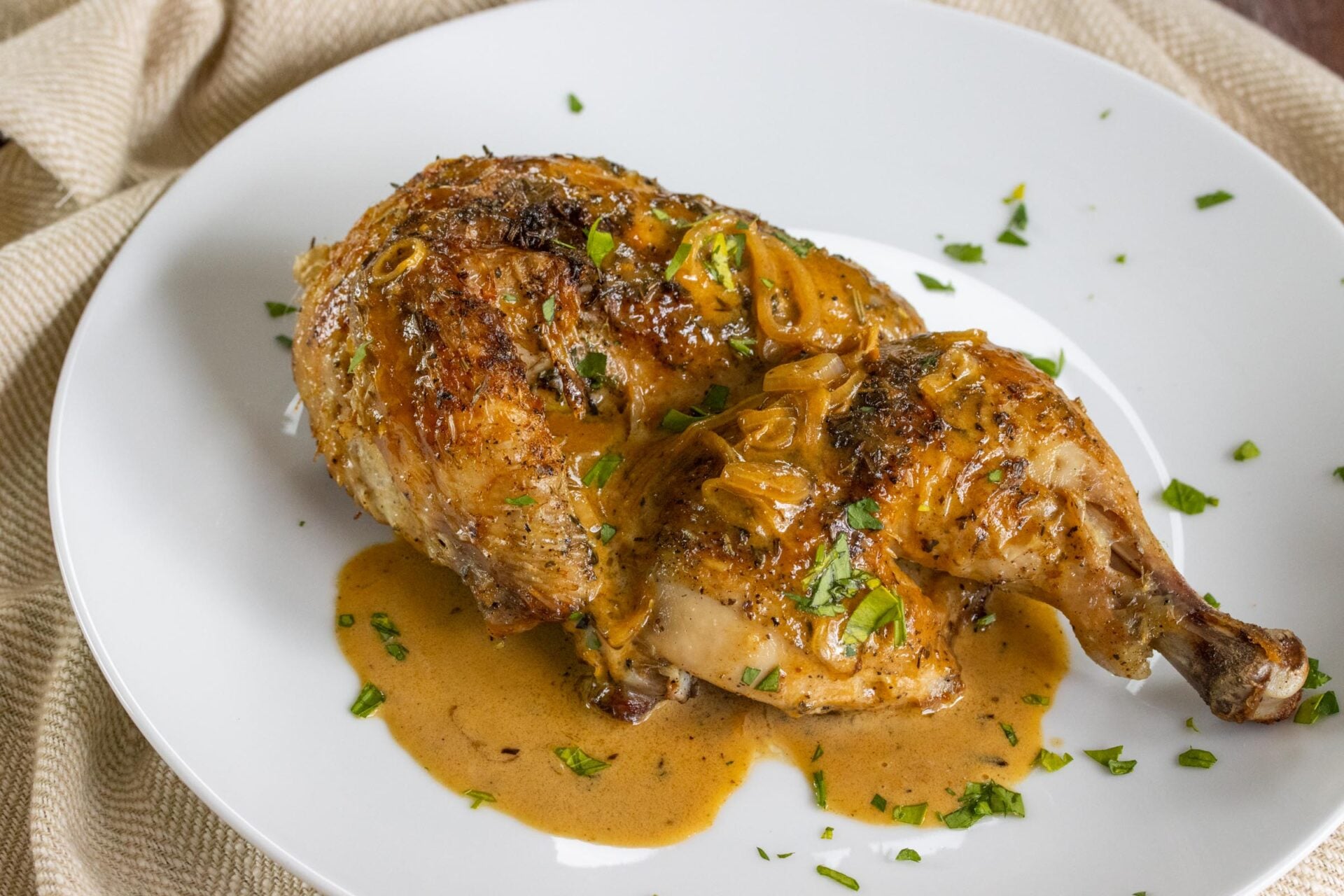
Effortless Elegance: Introducing Cornish Hen with Creamy Dijon Sauce
Imagine serving a dish that looks incredibly sophisticated, tastes divine, yet requires surprisingly little effort. That’s the magic of a cornish hen with mustard cream sauce. This recipe delivers a restaurant-quality experience right in your home, making it perfect for an intimate dinner for two or a show-stopping meal for a small gathering. It’s a celebration of tender, juicy poultry bathed in a rich, tangy, and utterly irresistible creamy Dijon sauce. Forget complicated techniques; we’re focusing on simple steps that yield maximum flavor and an impressive presentation.What Makes Cornish Hens So Special?
Cornish game hens, often simply called Cornish hens, are truly a culinary gem. These petite birds are essentially miniature chickens, typically weighing between 1 and 2 pounds. Their smaller size is their greatest asset, offering a host of benefits that make them ideal for elegant dining:- Perfect Portions: A whole Cornish hen provides a generous individual serving, eliminating the need to carve a larger bird and ensuring each guest gets their own perfectly roasted piece. Half a hen also makes for a substantial and beautiful plate.
- Tender Texture: Known for their delicate, succulent meat, Cornish hens are less fatty than larger chickens, resulting in a wonderfully tender texture and a milder flavor that readily absorbs marinades and seasonings.
- Quick Cooking: Due to their diminutive size, Cornish hens cook much faster than a standard chicken, making them an excellent choice for a "last-minute get-together dinner" or when you're short on time but still want to create something special.
- Stunning Presentation: There's something inherently elegant about presenting a whole, golden-brown roasted hen on a plate. It instantly elevates the meal and makes your guests feel truly catered to.
The Secret to a Silky Smooth Dijon Cream Sauce
The heart of this dish, the mustard cream sauce, is where the "Effortless Elegance" truly shines. The pairing of sharp, pungent Dijon mustard with rich, luscious cream creates a symphony of flavors that is both comforting and sophisticated. The key to a truly spectacular sauce lies in a few simple tricks to ensure a perfectly smooth, clump-free consistency that clings beautifully to the tender hen. Good quality ingredients are paramount here. Opt for a good French Dijon mustard for its superior flavor profile. You’ll also need heavy cream, a touch of chicken or vegetable stock, and finely sliced shallots, which add a subtle sweetness and aromatic depth. Here’s the fundamental trick to avoid those pesky mustard clumps often found in cream sauces:Before introducing the Dijon mustard to your simmering sauce, always thin it out with a small amount of stock or water. Whisk it until smooth, then incorporate this thinned mixture into your pan. This pre-dilution prevents the mustard from seizing up when it hits the hot liquid, ensuring a velvety smooth finish. To master this technique and ensure your sauce is flawless every time, read our detailed guide on Avoid Clumps: Perfecting Mustard Cream Sauce for Cornish Hens.
To build the sauce, you'll start by sautéing thinly sliced shallots until softened and fragrant. Deglaze the pan with a splash of white wine or a bit more stock, scraping up any delicious browned bits. Then, stir in your pre-thinned Dijon mustard, followed by the heavy cream. Let the sauce gently simmer and reduce until it reaches your desired consistency – thick enough to coat the back of a spoon, yet still pourable. Season with salt and freshly ground black pepper to taste. The tang of the Dijon perfectly cuts through the richness of the cream, creating a balanced and addictive flavor profile.Roasting Your Cornish Hens to Perfection
Achieving a beautifully golden, crispy skin and incredibly juicy meat in your Cornish hens is simpler than you might think. Preparation is key, followed by proper roasting technique.Preparation is Paramount
- Dry Thoroughly: Always start by patting the cavity and exterior of each hen thoroughly dry with paper towels. This crucial step is the secret to achieving that coveted crispy skin.
- To Split or Not to Split: You can roast Cornish hens whole, which looks fantastic for presentation, or split them down the breastbone. Splitting can slightly reduce cooking time and makes for easier plating. The choice is yours!
- Season Generously: A simple yet effective seasoning is all these flavorful birds need. A blend of salt, freshly ground black pepper, garlic powder, and a generous rub of Herbs de Provence works wonders. Herbs de Provence is an aromatic mixture of dried marjoram, rosemary, thyme, oregano, and often lavender flowers. It imparts a fantastic savory, herbaceous taste that complements poultry beautifully. If you don't have a pre-made blend, you can easily create your own with individual dried herbs, omitting lavender if it's not on hand.
The Roasting Process
Place your seasoned hens, breast-side up, in a sturdy roasting pan or a heavy baking dish. A heavy-bottomed, oven-safe pan is ideal, especially if you plan to finish or deglaze your sauce in the same pan after the hens are removed. Avoid glass or non-stovetop pans if you intend to use the pan drippings for your sauce directly on the hob.
Roast the hens in a preheated oven (around 400°F/200°C) until they are golden brown and cooked through. Depending on their size and whether they are whole or split, this typically takes 45-60 minutes. The internal temperature should reach 165°F (74°C) in the thickest part of the thigh, without touching the bone. Basting them once or twice during cooking can help maintain moisture, but isn't strictly necessary.
The All-Important Rest
Once your hens are beautifully golden, remove them from the oven and transfer them to a cutting board. Loosely tent them with foil and let them rest for at least 10-15 minutes. This resting period is vital, allowing the juices to redistribute throughout the meat, ensuring every bite is incredibly tender and moist. While the hens are resting, you can swiftly prepare or finish your creamy Dijon sauce in the same roasting pan, if desired, incorporating those flavorful pan drippings.
Elevating Your Meal: Pairings and Presentation
The Perfect Companions
Potatoes are, without a doubt, a classic and ideal accompaniment. The creamy Dijon sauce marries beautifully with almost any potato preparation:
- Mashed Potatoes: A comforting and luxurious choice, allowing the sauce to be generously spooned over.
- Roasted Potatoes: Crispy on the outside, fluffy on the inside, they offer a textural contrast.
- Potato Galette: An elegant option for a more formal presentation.
- Potato Gratin: Another rich and creamy partner that complements the sauce perfectly.
For more ideas on how to complete your meal, explore Pairing Perfection: Cornish Hen with Mustard Cream & Potatoes.
Beyond potatoes, consider vibrant green vegetables to add freshness and a pop of color. Roasted asparagus, steamed green beans with a hint of lemon, or sautéed broccolini would be excellent choices. A simple side salad with a light vinaigrette can also provide a refreshing counterpoint to the richness of the dish.
Presentation Matters
Whether you serve the hens whole or split, arrange them artfully on a plate. Spoon a generous amount of the creamy Dijon sauce over and around the hen. A sprinkle of fresh chopped parsley or chives adds a final touch of color and fresh herbiness. For an extra touch of sophistication, consider fanning out thin slices of roasted potato or arranging asparagus spears alongside the hen.
To further enhance the dining experience, pair this dish with a crisp white wine. A Sauvignon Blanc or an unoaked Chardonnay would complement the creaminess and tang of the sauce beautifully. If you prefer red, a light-bodied Pinot Noir would also be a delightful match.
